



Accidental Damage to a Landlord's Property: What Renters Should Know

Written by Simon Edmonds, reviewed by Marco Andolfatto
Accidental Damage to a Landlord's Property: What to know as a renter
This guide is part of our series on tenant liability insurance and personal liability coverage.
Renters are usually legally responsible for accidental damage they cause to a landlord's property. While landlord insurance often covers a building, it doesn’t typically cover tenant-caused damage to fittings and fixtures.
Having tenant insurance with tenant legal liability coverage for unintentional damage from fire, smoke, or water, is one way to help protect your finances and avoid unexpected out-of-pocket costs.
Examples of accidental damage to a landlord’s property
There are many ways a landlord’s property might accidentally get damaged or destroyed:
Kitchen-related incidents. A stovetop fire or an appliance malfunction can damage cabinetry, countertops, or flooring that belongs to the landlord.
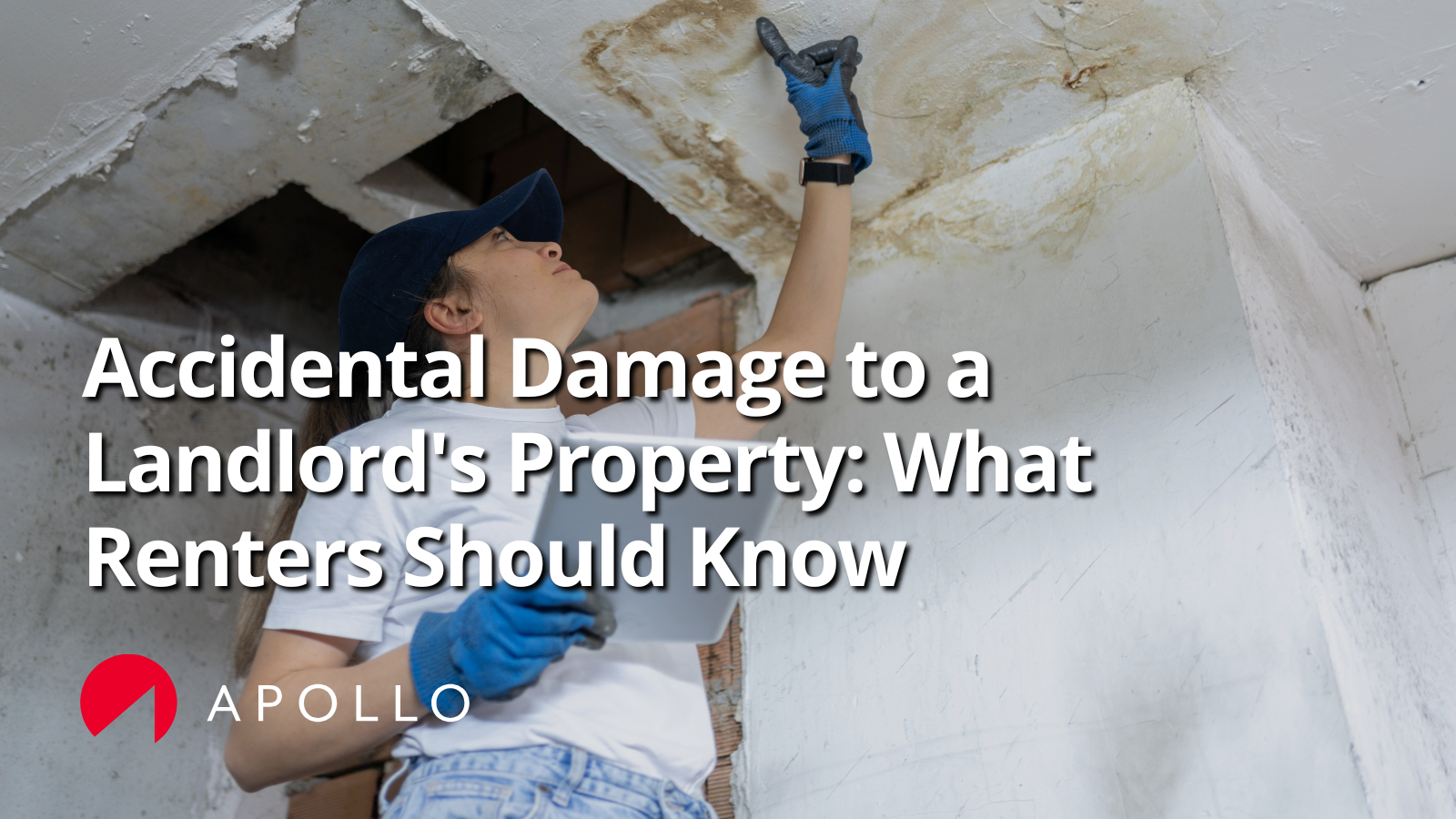
Water-related damage. An overflowing sink, a leaking washing machine hose, or a bathtub left running can lead to water damage affecting floors, walls, or ceilings within the unit.
Damage to fixtures or fittings. Doors, windows, built-in appliances, or plumbing fixtures can be accidentally damaged during everyday use or while moving furniture.
Damage to shared or structural areas. In some cases, an incident inside a unit can extend beyond it – for example, affecting a hallway, a neighboring unit, or a shared structural element.
In all of these examples, an unintended event connected to the renter's use of the unit results in damage to something the landlord owns. This is when tenant insurance will normally kick in.
What is and isn’t covered by tenant insurance
What is covered by tenant insurance | What isn’t covered by tenant insurance |
Tenant insurance policies typically include personal liability coverage. If you cause an unexpected, accidental incident – such as leaving the stove on and starting a kitchen fire or accidentally overflowing a sink and warping the floor – your liability insurance can help pay for the repair costs. | Insurance typically does not cover normal wear and tear, or damage caused by neglect (like pouring grease down the drain or letting spills sit and ruin the carpet). Additionally, if you deliberately damage the property, liability coverage will not apply. |
How does a landlord’s insurance work when their property is damaged?
Landlord insurance is a separate policy to tenant insurance, which typically covers the physical structure of the building and sudden, accidental damages like fires or explosions. However, policies often exclude intentional vandalism or general wear and tear. For accidental damages a tenant causes, the tenant’s own insurance and their liability coverage are generally responsible for covering the cost.
Next steps after damaging a landlord’s property
When accidental damage happens, you may need to make a tenant insurance claim. Here’s what the full process often looks like:
Prevent further damage. If it seems safe, you may want to try to keep the situation from getting worse – for instance, shutting off the main water valve if there's a leak, or covering a broken window. Every situation is different, so use your judgment about what's reasonable to attempt in the moment.
Document the damage. Before you start cleaning anything up, it can help to take some photos and videos, ideally also showing when they were taken. Having a general record of what happened may be useful later on, even if you're not sure yet how serious the damage is.
Notify your landlord. Be open and honest with your landlord, letting them know exactly what happened. They may need to arrange repairs, and, if the damage affects things like mold or structural issues, delays in reporting could make it worse.
Contact your insurer. Get in touch with your insurance broker or provider about what happened. Every provider is different, but common things to tell them are your policy number, the date and time the damage happened, a description of what caused it (fire, water, smoke, etc.) and what was damaged, and the photos and videos you too
Await the claims adjuster. After that, there's typically a waiting period before someone gets back to you about next steps. There might be a slight waiting period if it’s an incident which results in several claims. If you want an update on your claim, you can reach out to your adjustor, who might also be able to help guide you through the claims process itself if you need more clarity.
Every insurance provider will have their own process for handling a claim – as well as what may or may not be covered. It can be helpful for you to fully understand the process your provider uses.
What is the landlord's responsibility?
The landlord is usually responsible for maintaining the structure and building systems, and their landlord/property insurance typically covers the building itself. When a tenant causes accidental damage, the landlord generally isn't on the hook for repair costs. That liability usually falls to the tenant – which is why tenant liability coverage can be important.
The landlord will usually still need to arrange or oversee repairs to their property, get contractors in, and file their own insurance claim if needed, then coordinate with the tenant's insurer over reimbursement. Landlords also can't unreasonably delay repairs that affect habitability, even if the tenant caused the damage.
The information provided on this page is intended for general educational purposes only and does not constitute insurance advice, a recommendation, or an offer to sell insurance. Every individual's insurance needs are unique and depend on personal circumstances. We encourage you to consult with an independent licensed insurance broker in your province who can assess your specific situation and recommend appropriate coverage.
Originally published August 5, 2026, updated August 5, 2026
Back to APOLLO MagazineAbout the author

Simon Edmonds, Senior Writer
Tenant Insurance Starting at $13/month
The only tenant insurance provider with a Best Price Guarantee. Already have a policy or quote? We’ll beat the price. Guaranteed. Terms apply.
Get a free quote
4.7 rating
Tenant Insurance Starting at $13/month
The only tenant insurance provider with a Best Price Guarantee. Already have a policy or quote? We’ll beat the price. Guaranteed. Terms apply.
Get a free quote
4.7 rating
Relevant articles





Getting Insured is As Easy As 1 - 2 - 3

1
Tell us (very little) about yourself
Just tell us your address, your name, email and phone number. And that's it. We'll give you a price in less than a minute.

2
Pay online easily and securely
You can choose to pay monthly or save money by paying for the entire year in one easy payment.

3
Get your documents in your inbox - instantly
As soon as you complete your purchase, you'll find your proof of insurance and policy documents waiting for you in your inbox.
Get covered today - it couldn’t be easier
We’ve provided more than 1,000,000 quotes to Canadians just like you. Give it a try!