



How Frozen Pipes Become a Costly Winter Risk for Renters

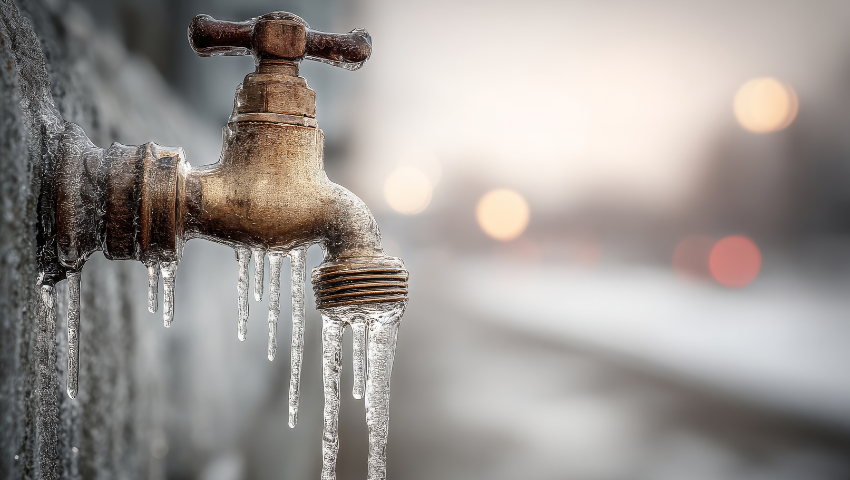
When temperatures fall below freezing, the risk of pipe damage rises sharply, especially in multi-unit buildings where one incident can quickly spread water to neighbouring units. Many renters underestimate how quickly a cold snap can lead to a burst pipe, but recent claims data shows that these events are both common and expensive.
Why Pipes Freeze
Water expands when it freezes. If water inside a pipe becomes cold enough to turn to ice, pressure builds between the blockage and the closed faucet. Eventually, the pipe can rupture. Once temperatures rise again, the ice thaws and water begins pouring through the break, often for hours before anyone notices.
Small oversights can make a big difference. In one real example shared by our underwriting team, a tenant left town for a week and accidentally left a window open. The cold air entering the unit created perfect conditions for a frozen pipe. By the time the issue was discovered, the resulting water had caused significant damage.
What Our Recent Claims Data Shows
Frozen-pipe losses are costly. In the past year, we’ve seen:
High-rise building (under 35 years old): $68,137 paid in damages
Apartment where heat was turned off: $75,249 paid in damages
High-rise with a broken furnace: $67,856 paid in damages
These numbers reflect the combined costs of water extraction, repairs, remediation, and in some cases temporary accommodation. Even a single burst pipe can require flooring replacement, drywall removal, and professional drying to prevent mold.
Contributing Risk Factors
While any building can experience a frozen pipe, certain conditions raise the risk significantly:
Turning off the heat: Many tenants turn off the heat when they leave home on vacation to save on energy.
Open windows or drafts: Even a slightly ajar window near plumbing can lower indoor temperatures enough to freeze a pipe.
Aging infrastructure: Older buildings may have pipes located in less insulated areas.
Mechanical issues: A broken furnace or malfunctioning thermostat can cause indoor temperatures to drop without warning.
How Tenants Can Reduce The Risk of Frozen Pipes
A few simple precautions can minimize the chance of a freeze:
Keep heat on, even when you’re away. Maintain at least 15–18°C (59–64°F).
Check windows and balcony doors before leaving home. Ensure they’re fully closed and locked.
Open cabinet doors under sinks during extreme cold to help warm air circulate around pipes.
Know where your shut-off valves are. Quick action can limit damage if a pipe bursts.
Report furnace or heating issues immediately to your property manager.
Consider adequate insurance coverage to protect yourself from unexpected water damage costs.
Why This Matters for Renters
Many tenants don’t realize that while building insurance covers structural damage, renters are responsible for their own belongings and, in some cases, for damages originating from their unit. A single frozen-pipe incident can destroy furniture, electronics, clothing, or other personal items—and without tenant insurance, replacement costs come out of pocket.
Final Thoughts
As winter approaches, taking a few preventative steps can significantly reduce the risk of a costly and disruptive frozen-pipe incident. Staying aware, maintaining indoor heat, and being proactive about potential drafts or heating issues can make all the difference during freezing conditions.
Tenant Insurance Trusted by Canadians
Get the tenant insurance Canadians trust in less than 2 minutes. Fully digital, no phone calls. No credit check required. Backed by our Best Price Guarantee. Terms apply.
Get a free quote
4.7 rating
Originally published December 12, 2025, updated December 11, 2025
Back to APOLLO MagazineTenant Insurance Starting at $13/month
The only tenant insurance provider with a Best Price Guarantee. Already have a policy or quote? We’ll beat the price. Guaranteed. Terms apply.
Get a free quote
4.7 rating
Tenant Insurance Starting at $13/month
The only tenant insurance provider with a Best Price Guarantee. Already have a policy or quote? We’ll beat the price. Guaranteed. Terms apply.
Get a free quote
4.7 rating
Relevant articles





Getting Insured is As Easy As 1 - 2 - 3

1
Tell us (very little) about yourself
Just tell us your address, your name, email and phone number. And that's it. We'll give you a price in less than a minute.
2
Pay online easily and securely
You can choose to pay monthly or save money by paying for the entire year in one easy payment.

3
Get your documents in your inbox - instantly
As soon as you complete your purchase, you'll find your proof of insurance and policy documents waiting for you in your inbox.
Get covered today - it couldn’t be easier
We’ve provided more than 1,000,000 quotes to Canadians just like you. Give it a try!